

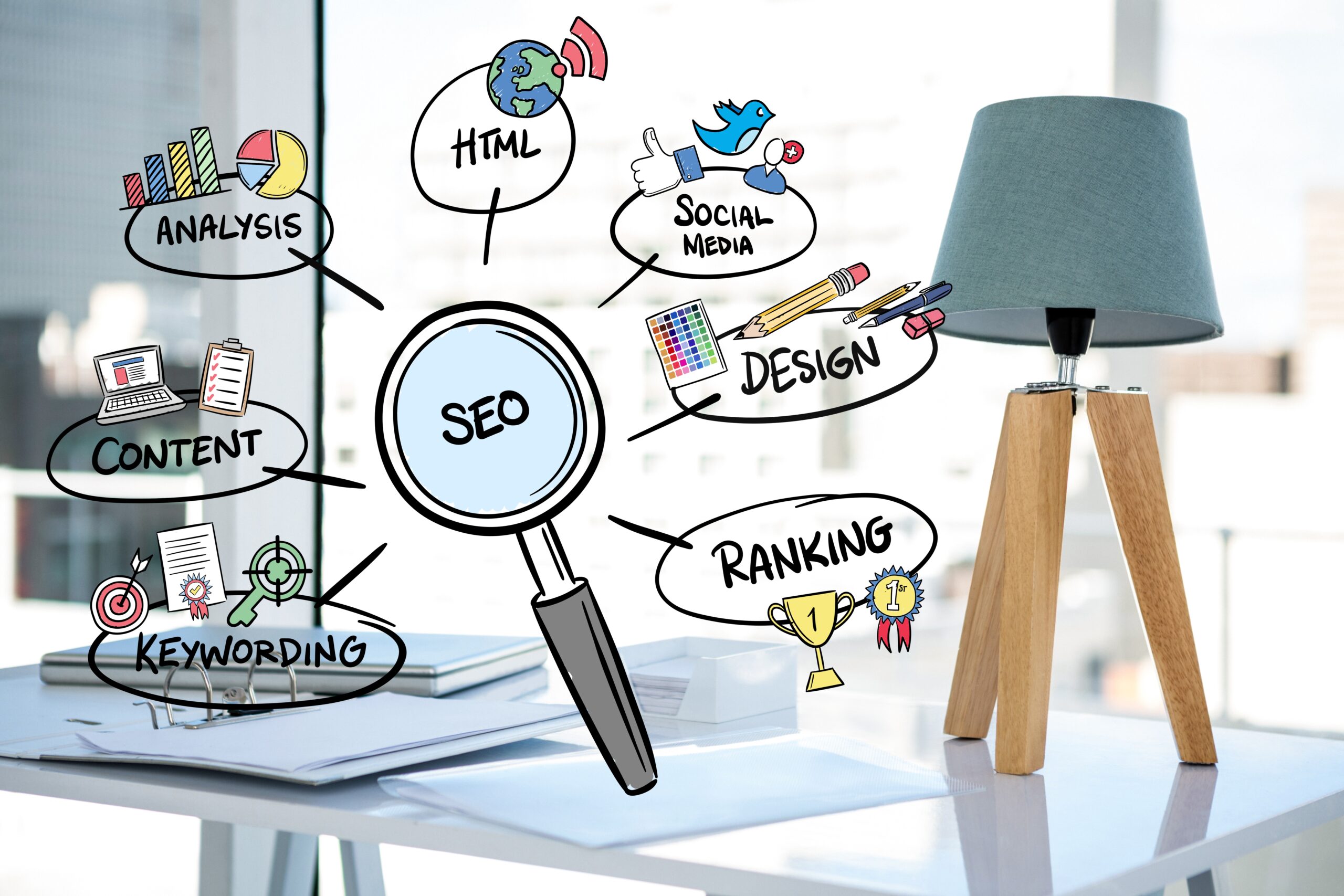
When business owners think about search engine optimization, they often focus on keywords. They want to know which phrases people search for, how often those phrases appear on Google, and how they can get their website to rank higher.
Keywords matter, but they are only part of the picture.
Behind every search is a person looking for something. They may need an answer, want to compare services, be ready to make a purchase, or simply be researching a problem they have not figured out how to solve.
Understanding that motivation is an important part of building an effective SEO strategy.
Every Search Has a Purpose
Consider the difference between someone searching for “what is website hosting” and someone searching for “website designer for a small business.”
The first person is likely looking for information. The second may be comparing providers or preparing to hire someone.
Although both searches relate to websites, the people behind them have different needs. A page explaining website hosting may be useful to the first visitor, while the second may want to see services, examples of previous work, and a clear way to request a quote.
This is often called search intent: the reason behind a person’s search.
When your content matches that intent, visitors are more likely to find it useful. When it does not, even a page that attracts traffic may struggle to generate meaningful business opportunities.
Helpful Content Builds Trust
Imagine a small business owner searching for ways to improve their website’s visibility. They land on an article filled with repetitive keywords, vague advice, and paragraphs that never answer their question.
The article may mention SEO frequently, but it does little to help the reader.
Now imagine a different article that explains the problem in plain language, provides relevant examples, and helps the reader understand what to do next. That content offers real value.
Useful content gives potential customers a reason to spend time with your business. It can demonstrate your knowledge, answer questions before a sales conversation, and help visitors feel more confident about reaching out.
Rather than creating pages simply to target individual phrases, focus on the problems your customers are trying to solve.
Keywords Still Matter, but Context Matters More
Keyword research can help you understand the language your audience uses. It can reveal common questions, related topics, and opportunities to create content that people are actively looking for.
The important step is using that information naturally.
Your primary topic should be reflected in relevant places, such as the page title, main heading, and body content when appropriate. Related terms and supporting details can help establish what the page covers.
There is no need to force the same phrase into every paragraph. Content that reads naturally and answers the reader’s question is more useful than writing designed solely to repeat keywords.
You should also avoid creating several pages that offer nearly identical information just to target slightly different search terms. Each page should serve a clear purpose and provide something valuable to the visitor.
SEO Should Connect Search Traffic to Business Results
Higher rankings and increased website traffic can be encouraging, but they do not automatically translate into more customers.
A website might attract visitors who are not part of its target audience. It might rank for broad informational searches without providing a clear path to the company’s services. Or it might answer a question successfully but fail to explain how the business can help with the next step.
Effective SEO considers what happens after someone clicks.
Does the page answer the visitor’s question? Does it connect naturally to your services? Can the visitor easily learn more, contact your business, or request a quote?
These questions help connect search visibility with outcomes that matter to a business.
Think About the People Behind the Searches
A strong SEO strategy begins with understanding your audience. Learn what questions customers ask, what challenges they face, and what information they need before making a decision.
Use those insights to create useful pages, improve existing content, and make your website easier to navigate. Then measure performance using relevant indicators, such as qualified organic traffic, inquiries, and conversions—not rankings alone.